
Too many players train hard yet move through the system without clarity.
They compete week after week without understanding the bigger picture.
Families invest emotionally and financially without a structured roadmap.
Decisions become reactive instead of strategic.
We exist to bring calm structure to a complex environment. We focus on alignment and long-term progression.
Performance, competition, mindset and planning must work together. When they do, progress becomes sustainable and pressure
becomes manageable.
Tennis will always be demanding. Our role is to make the pathway clearer.

Our Philosophy
Belief
Talent opens the door.
Discipline builds the career.
Vision defines the legacy.
We believe careers are shaped by both results and
the structure surrounding the athlete.
Mentality
Excellence is built day by day.
Every athlete is treated as a long term project, never a short term result.
Method
Assess. Structure.
Develop. Compete. Sustain.
Performance is not accidental. It is designed.
The Architecture of Self-Mastery
The story behind VQSV founder Manuele Marini.
Long before the pathway, there was rhythm, repetition and a wall.
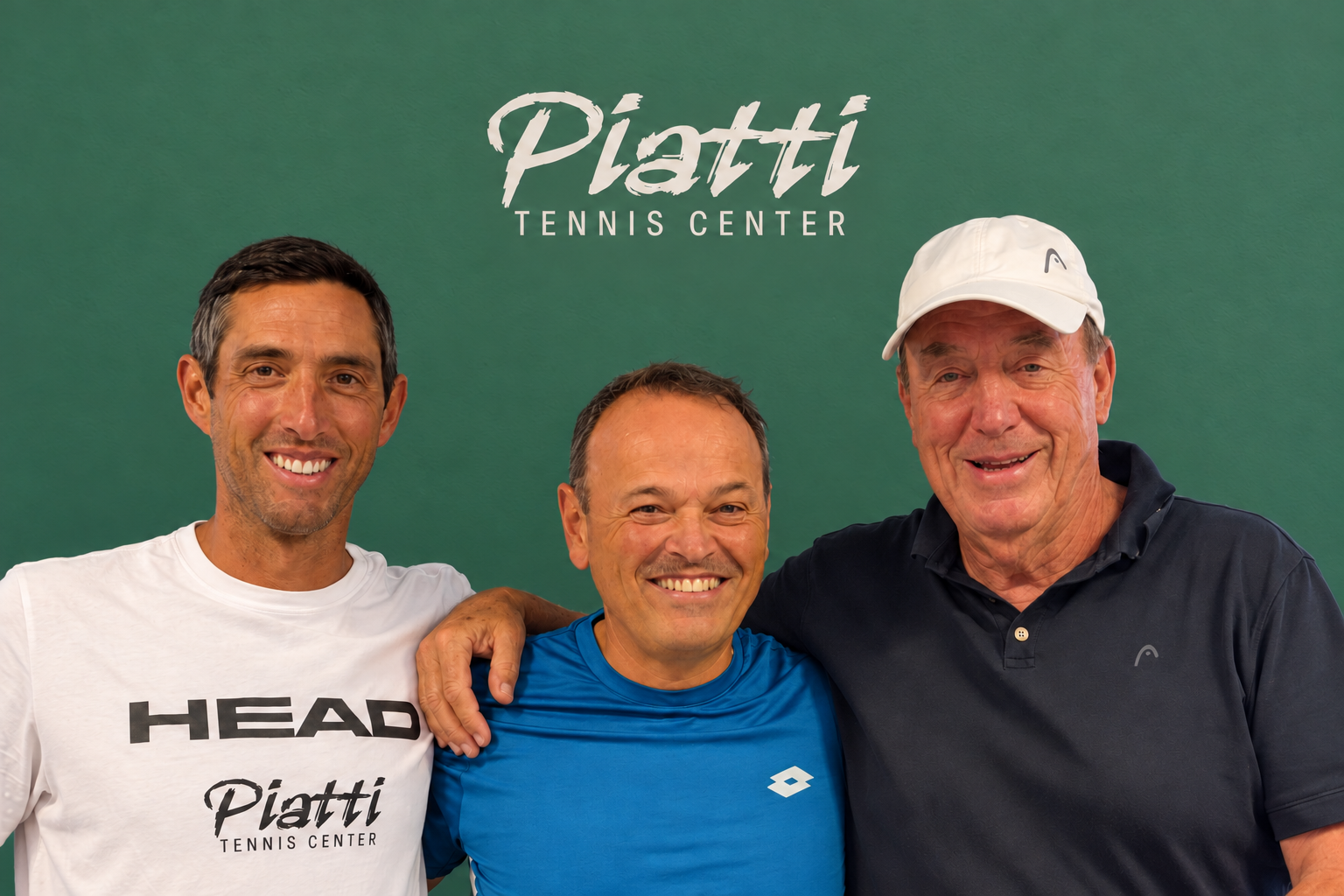
In a quiet street in Italy, long before high performance academies or international tournaments entered the picture, a young boy spent hours returning a tennis ball to the same piece of concrete. Again and again. The rhythm of the game began there: ball, wall, breath, repetition.
The court came later.
His family valued education deeply and tennis lived alongside that expectation rather than replacing it. While his love for the sport remained constant, his formal path moved through a different world entirely. Engineering, neuroscience and the study of how the human mind interprets the world.
At ‘Politecnico di Milano’, Manuele studied Biomedical Engineering, a discipline that sits between medicine and technology. His research explored how the brain processes visual information and transforms signals into action and perception. Working with hospitals and the National Research Council, he studied how visual stimuli influence human actions and reactions, identifying patterns in behaviour and using early trial data to predict future performance. This research ultimately contributed to a thesis connected to medical diagnostics.
The work was precise and analytical. Numbers, models and algorithms.
Yet something essential remained outside the equations.
Human behaviour.
Emotion.
Decision making under pressure.
These questions followed him into the financial industry, where his career deepened around data interpretation, risk analysis and the dynamics that shape how people behave when outcomes carry real consequence. Finance sharpened his understanding of strategy, execution and capital flow. At the same time another interest continued to grow quietly in the background: mental performance.
Tennis never disappeared from his life. If anything the distance helped him see it more clearly.
To Manuele, tennis resembles an art form more than a simple competition. A player steps onto a court alone, exposed to silence between points, managing expectation, frustration, momentum and self doubt in real time. It has been referred to as “the sport of the devil,” a phrase often attributed to Freud, reflecting its psychological intensity. Anyone who has competed understands why.
The game demands technical skill, physical endurance and emotional stability simultaneously. Yet many young players navigate this environment with little structural guidance. Over the years Manuele began noticing a recurring pattern.
Families invested enormous energy and financial commitment into their children’s development.
Players trained forty hours a week between court sessions, strength work, recovery and travel.
Tournaments filled the calendar. Pressure accumulated quietly.
Structure often arrived later.
Mental support arrived even later.
And the difference between potential and progression often came down to something rarely discussed: execution.
Talent exists in abundance across tennis. Sustainable careers remain rare.
“Talent opens the door.
Execution builds the career.”
The observation stayed with him. His professional experience had taught him that complex ventures succeed when planning, resources and people move in alignment. Start ups rise through execution rather than ideas alone.
The same principle applies to athletes.
Without structure around performance even extraordinary ability struggles to translate into long term results.
That curiosity once took a very different form.
Twenty years ago, after leaving Switzerland, Manuele took what he intended to be a one year sabbatical. The year quietly stretched into two.
During that time he designed and built a log house in the Italian Alps. He selected a Finnish company to supply the timber, worked as a carpenter and constructed the house himself, learning the craft piece by piece as the structure rose.
A small travel cabin mounted on the back of a pickup truck became his temporary home, allowing him to travel across Italy while working on the project.
The experience left a lasting mark. Building something slowly, with patience and attention reinforced a belief he still carries today. Meaningful structures, whether houses, companies or careers, grow through discipline and time.
The idea behind VQSV developed over several years before taking clear shape during a week spent at a tennis camp in Isola d’Elba in 2024. Since 2021, Manuele had been reflecting on how to combine his experience in finance with his knowledge and passion for tennis.
Through his long-standing relationship with Riccardo Piatti, and regular visits to the Piatti Tennis Center in Bordighera, he closely observed its environment. Known for its technical excellence and disciplined approach to player development, the Piatti methodology provided the foundation upon which the concept of VQSV ultimately crystallised, grounded in the values described here.
Yet Manuele saw an opportunity to complement that expertise.
Elite training environments build performance. A broader structure can support the human being who must sustain that performance over time.
VQSV grew from that intersection.
The organisation connects high performance training environments with long term career architecture, mental development and financial awareness. In Manuele’s view building a tennis player resembles building a young company. Talent provides the spark. Execution builds the trajectory.
His philosophy centres on a Latin phrase that captures this belief.
“Vincit Qui Se Vincit.”
Those who master themselves prevail.
Self mastery in practice means emotional clarity during competition, thoughtful decision making when opportunity appears and resilience when momentum shifts. It means understanding the human side of performance: communication, pressure, identity and purpose.
Manuele’s work increasingly focuses on this dimension. Through mental coaching and academic collaboration including work with University of Malta on risk and performance management, he teaches how emotional intelligence strengthens professional environments. Coaches, athletes and teams benefit when awareness of mindset becomes part of daily preparation rather than an afterthought.
This perspective has become central to his role within the broader tennis ecosystem. At Piatti he contributes to the development of coaches and performance teams, guiding discussions around mental training and communication within high performance structures. Technical excellence remains the foundation. Emotional intelligence strengthens the framework around it.
Manuele approaches his work with the same discipline that shaped his early years. He wakes before dawn, exercises, reads and prepares long before the day begins. Curiosity drives much of what he does. Different cultures, ideas and behaviours interest him deeply. Observing how people think, react and evolve remains a lifelong study.
Above all he remains fascinated by the human side of sport.
Young players stand at a complicated intersection: ambition, identity, expectation and uncertainty. Success can arrive early. Failure can arrive just as quickly. Many are asked to make adult decisions while still discovering who they are.
“Behind every athlete is a young person learning to carry expectation, ambition and identity.”
Manuele believes sport holds extraordinary value precisely because of these challenges. Even when players choose different professional paths later in life, the lessons learned on court remain with them. Resilience, discipline and self awareness.
VQSV was created to support that journey.
The organisation works to bring structure, emotional intelligence and strategic clarity into a sport that often moves faster than the systems surrounding it. Performance remains essential. Yet performance grows stronger when the human being behind it receives equal attention.
Manuele’s own journey reflects that balance.
Engineer and strategist. Analyst and mentor. A man who never became a professional tennis player or coach yet never drifted away from the game that shaped him.
The wall from those early days may have disappeared.
The rhythm remains in the way he thinks, the way he builds and the way he now guides others through the game that shaped him.
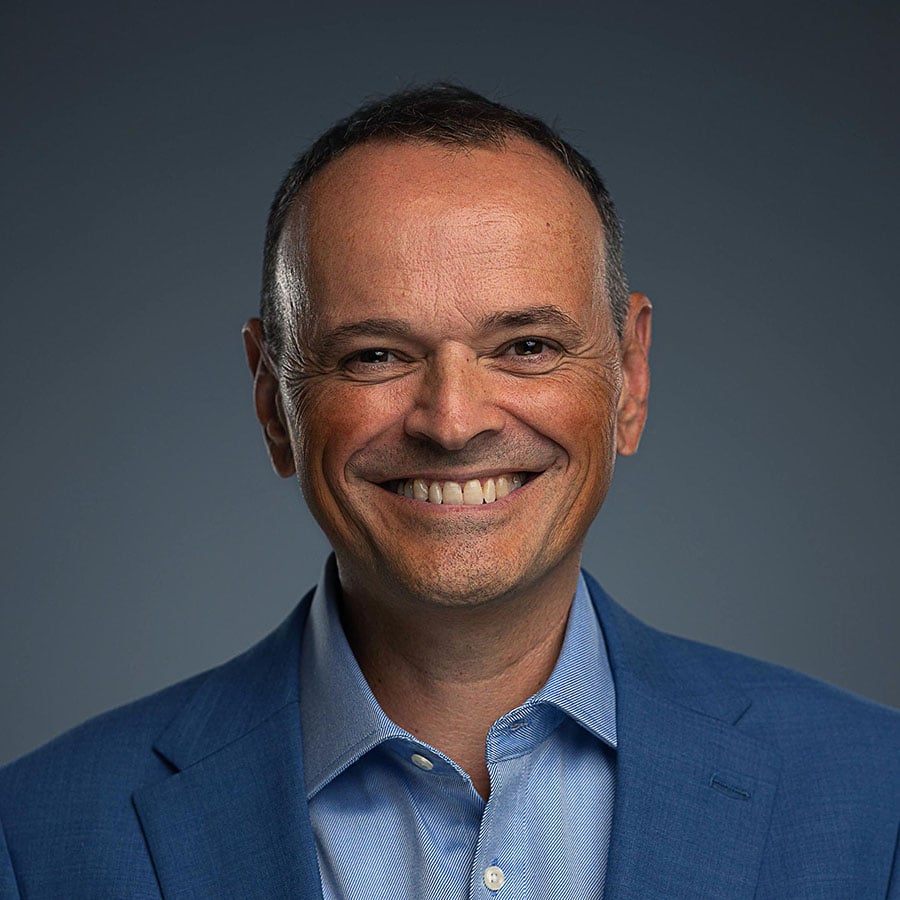
“Every player’s journey is different. Some families are exploring early development while others are already navigating the complexities of international competition.
If you are looking for clarity about the next step in your pathway, I am always happy to start with a conversation.”
Manuele
Founder, VQSV